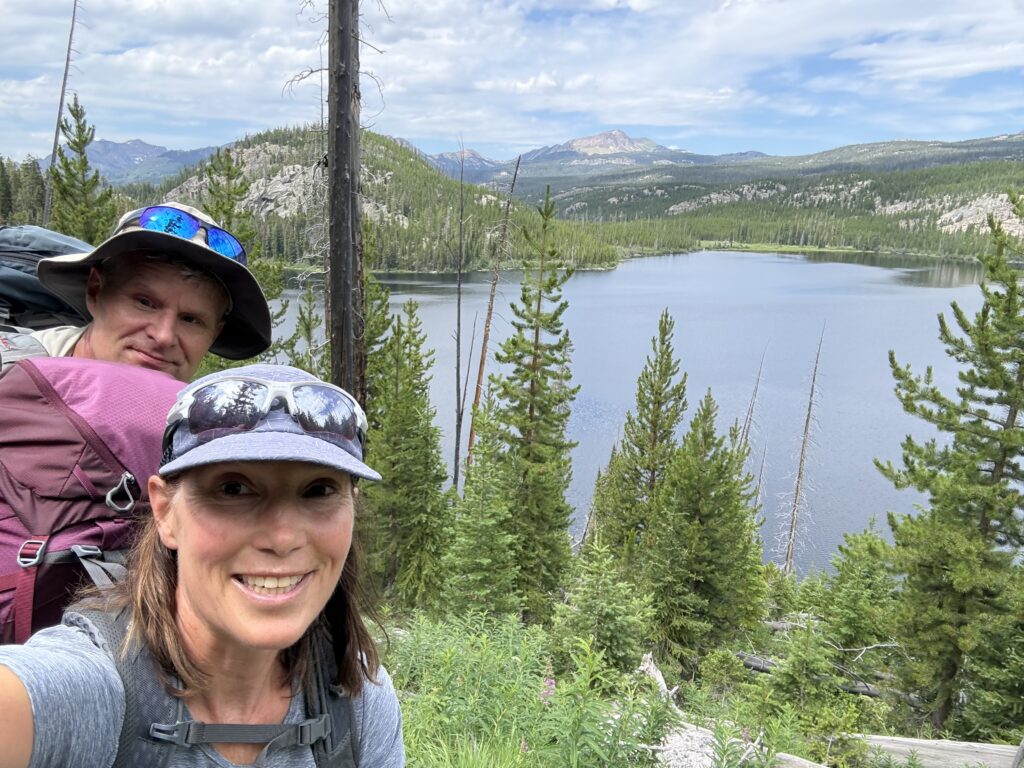
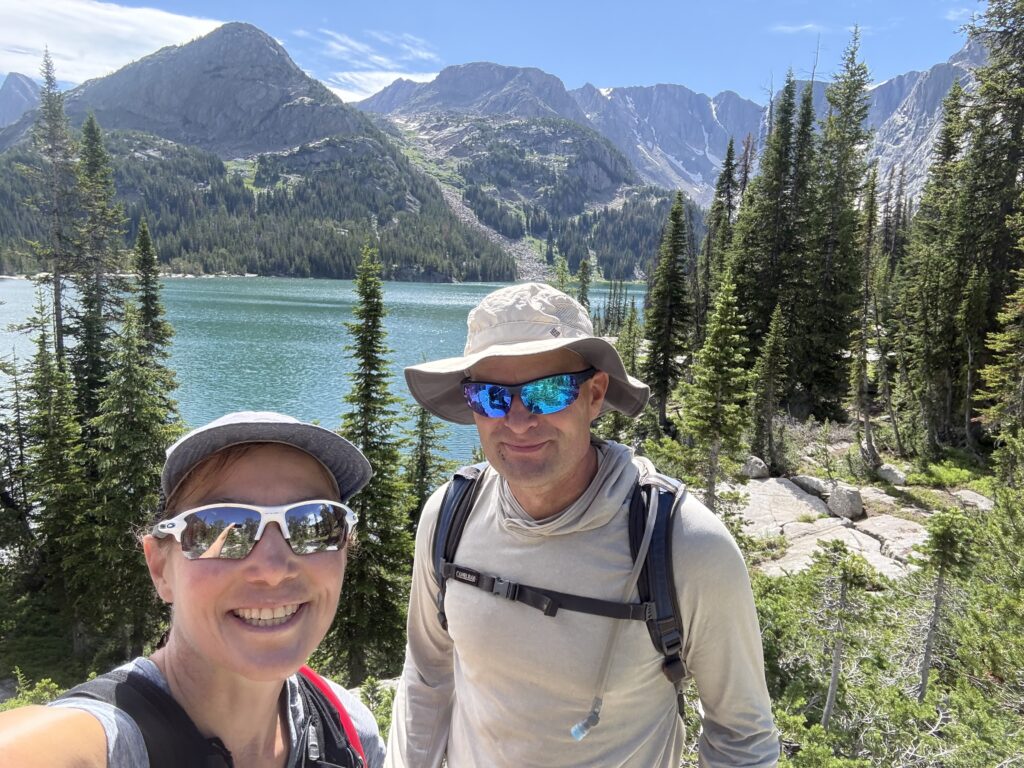
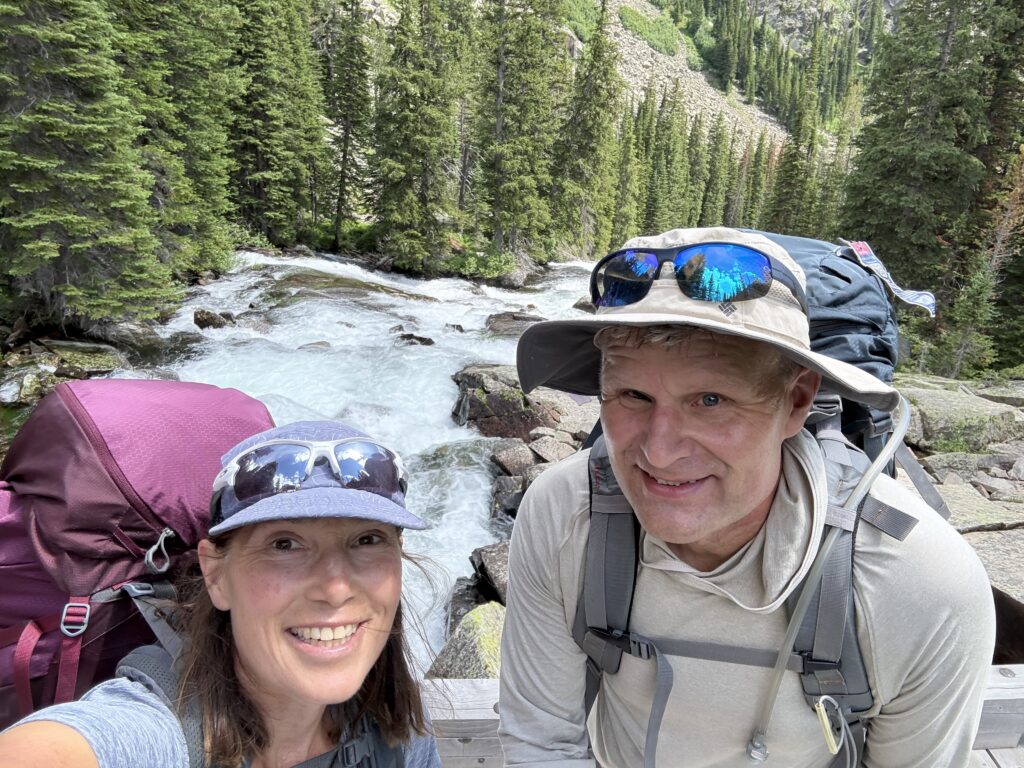
This past July, my husband and I hiked The Beaten Path Trail located in the Absaroka-Beartooth Wilderness. The path was recommended by my daughter Hannah, who just a few weeks prior ran the entire 27-mile point-to-point route in one day. The trailheads are 3.5 hours apart, so most hikers arrange a car shuttle exchange with friends. This traverse is widely considered one of Montana’s premier backpacking routes. Whether you are a seasoned trekker or an experienced backcountry enthusiast, this trail offers a high-altitude journey through a surreal landscape of towering granite peaks, crystal-clear alpine lakes, and glorious waterfalls.
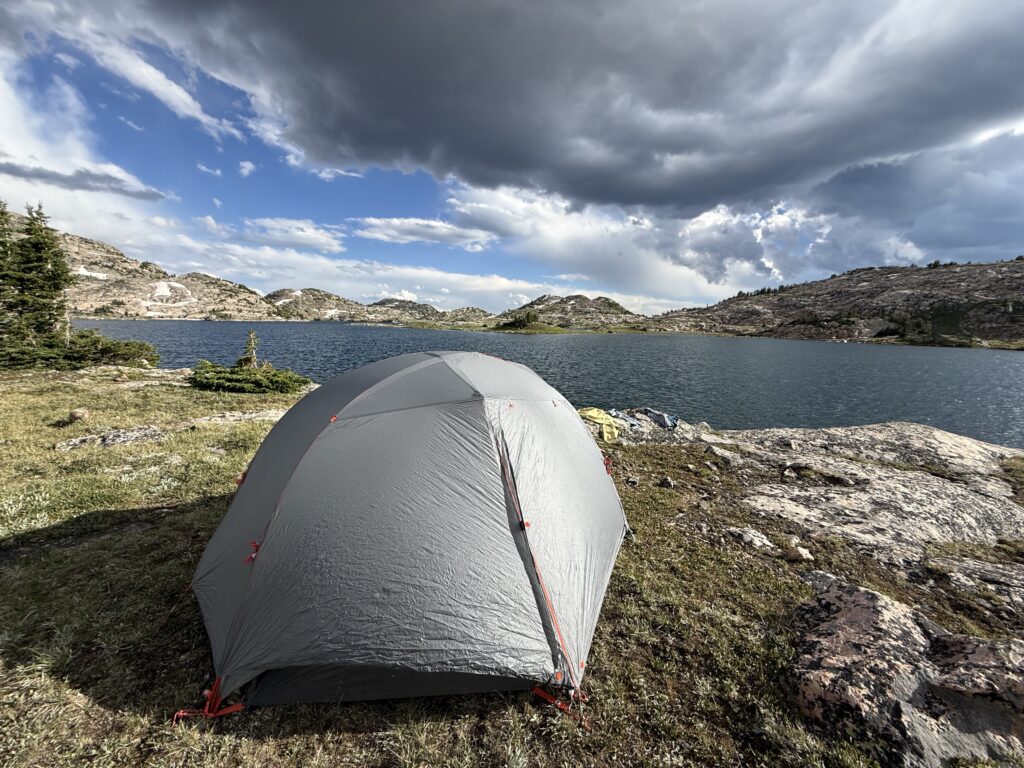
Craig and I started our backpacking trip from the Clarks Fork Trailhead near Cook City. To our surprise, the mosquitoes were relentless on the first wooded section of the trail. Usually, when hiking at elevation, we don’t encounter many bugs, but thankfully we brought repellent. We hiked 12 miles on the Russel Creek Trail to the high point at around 10,000 feet and camped at Fossil Lake. The mosquitoes were very thick, so we were thankful for a strong evening wind to keep them at bay.
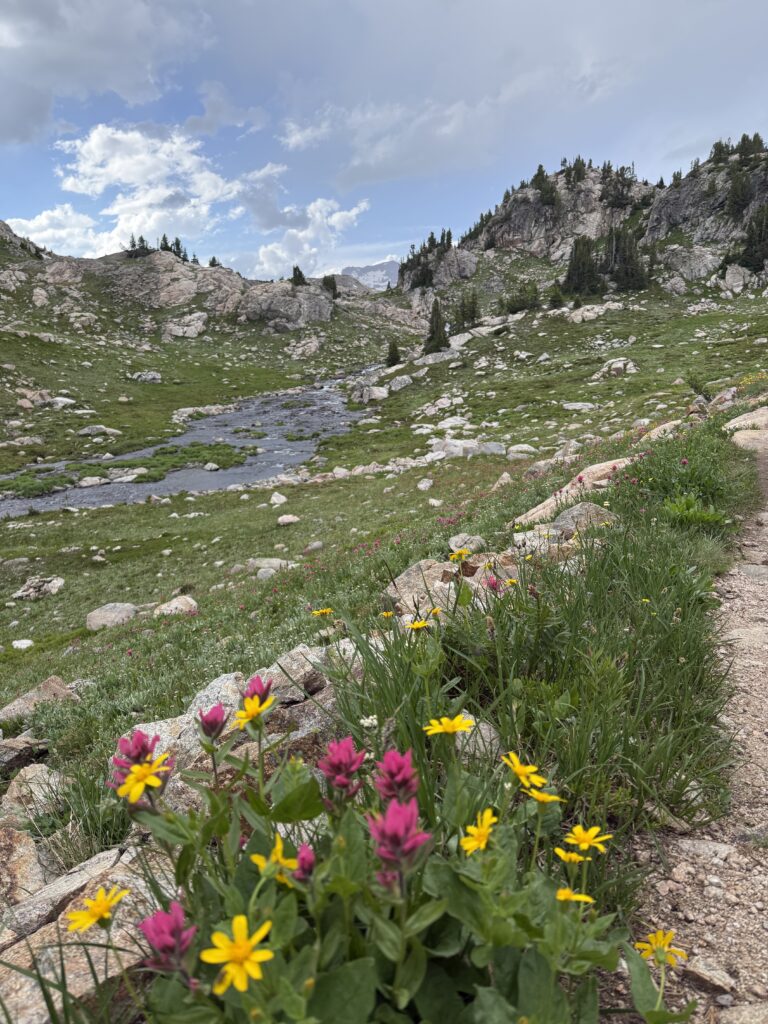
The Flower-filled meadows and rushing streams create a heavenly experience for hikers. The Beaten Path takes you across a vast, high-elevation plateau, a region boasting the largest contiguous area of land above 10,000 feet in the United States outside of Alaska.
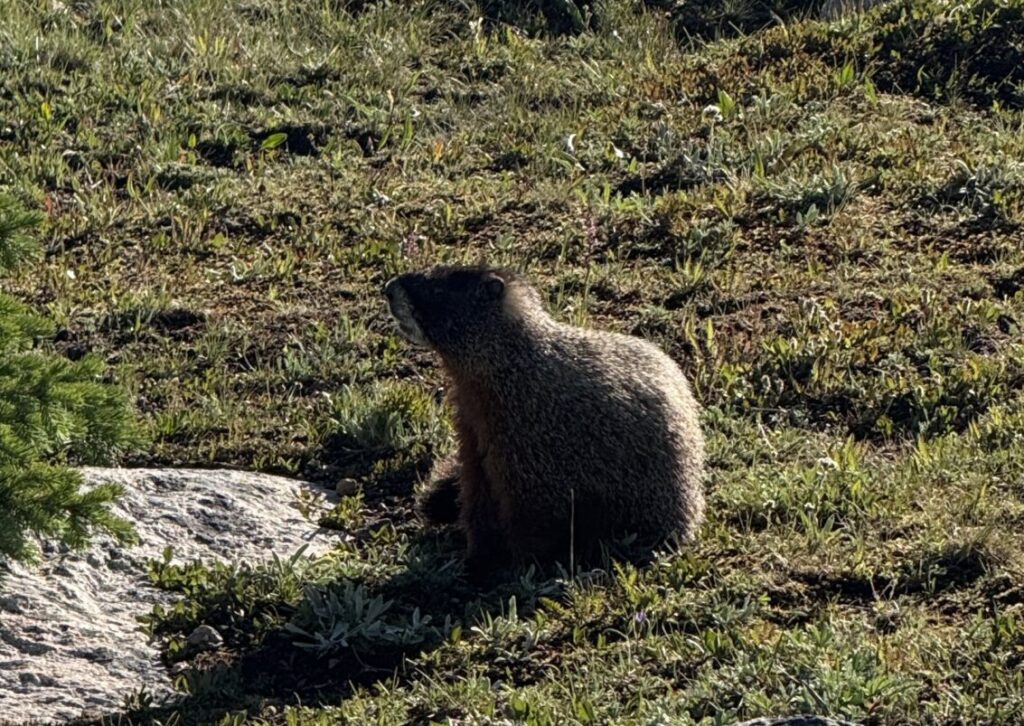
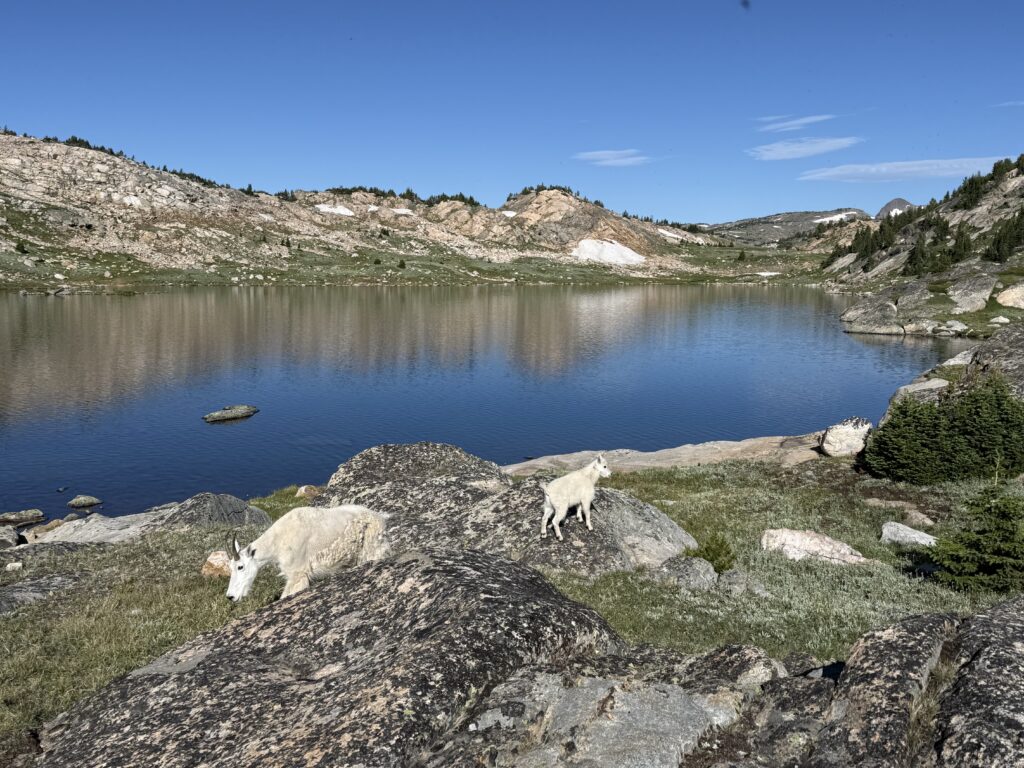
In the morning, while eating our breakfast and packing up our camping gear, we had a very close encounter with mountain goats and a fearless Marmot. The adult mountain goat had its baby nearby and was looking to eat the nearby grass and dirt by our tent. Apparently, both Marmots and goats have the habit of visiting campsites to eat the salt off of the ground from human urine.
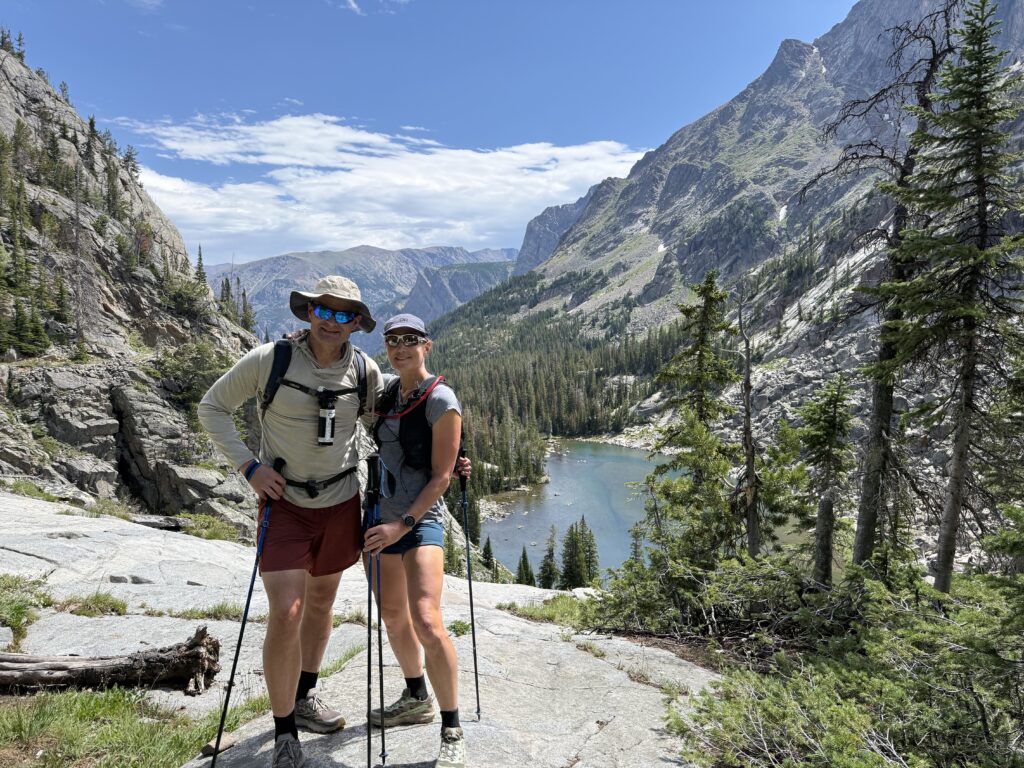
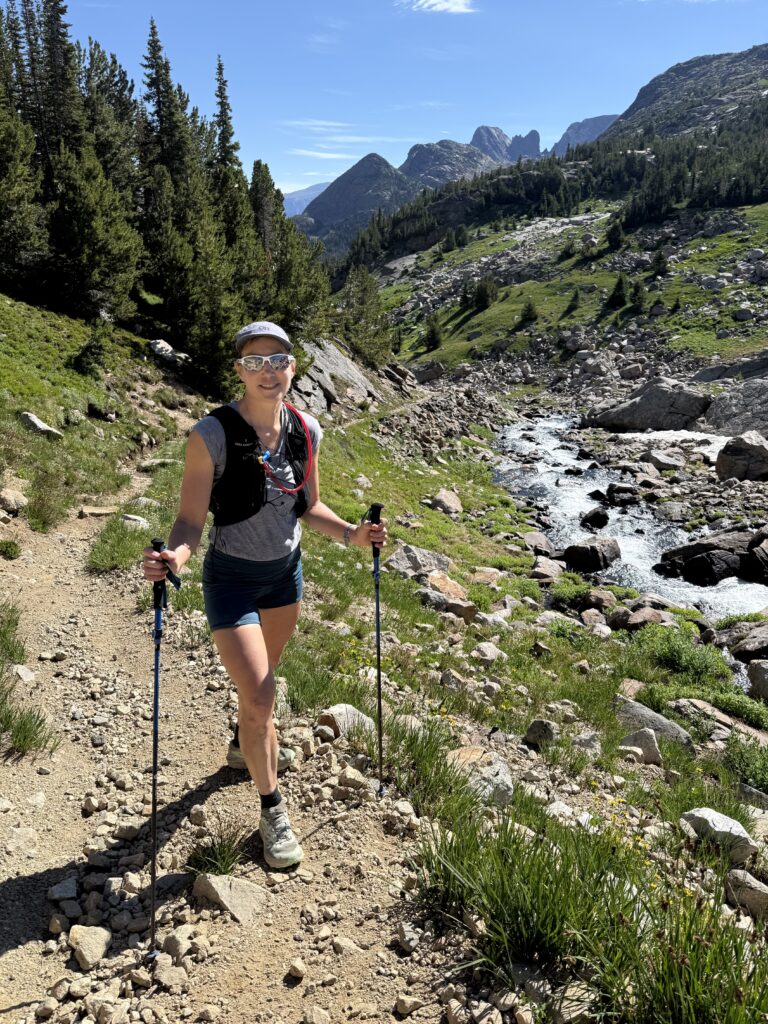
We packed up camp so the pesky animals wouldn’t destroy our tent and belongings. We stashed our backpacks a mile beyond our campsite and decided to do an out-and-back day trail run/hike on the East Rosebud Trail (all part of The Beaten Path Trail).
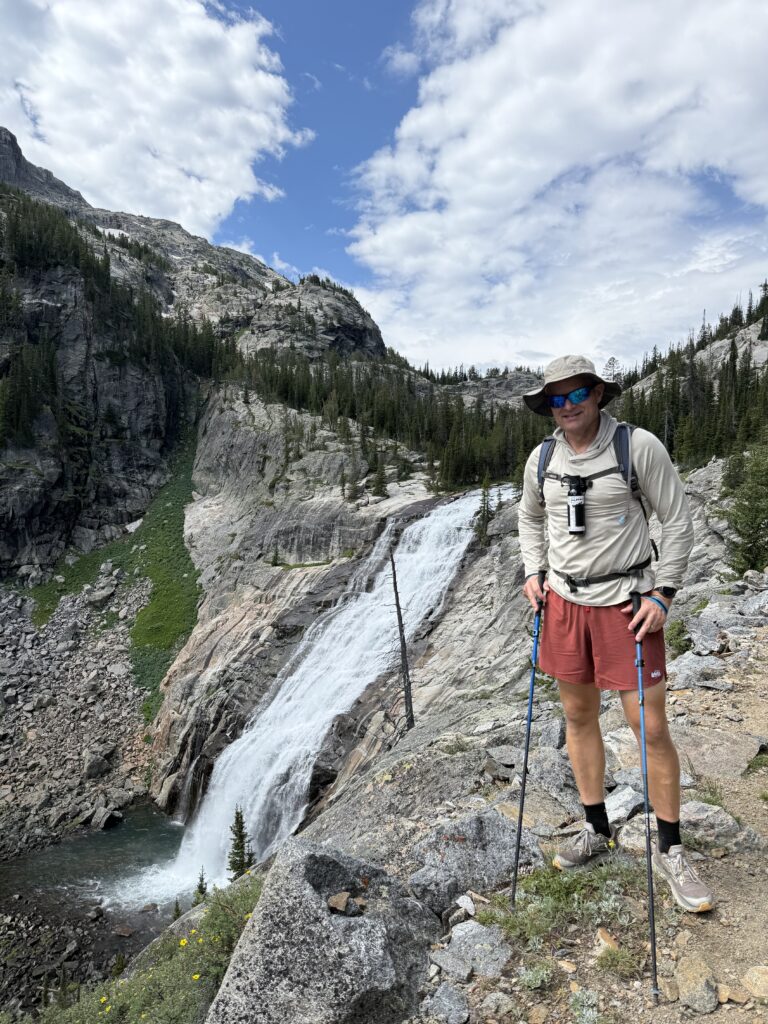
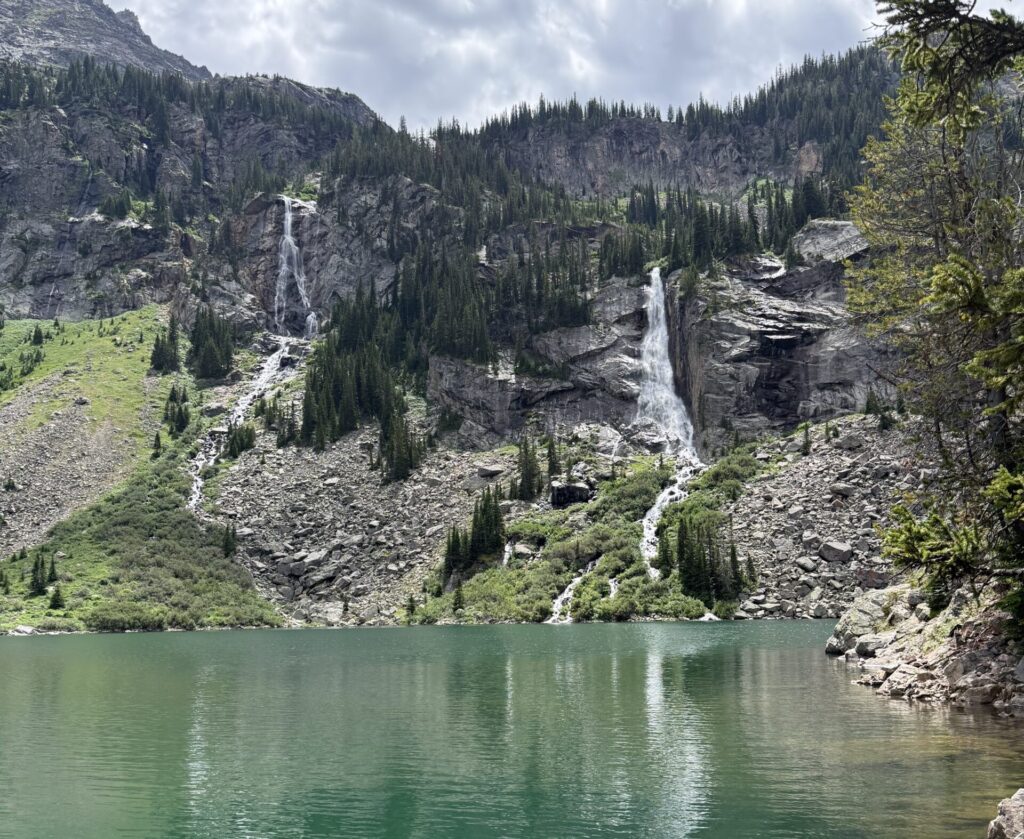
The day trip turned out to be the most scenic area of the entire trail. Highlights included a majestic view of a waterfall dropping 150 feet into Dewey Lake. In all my years, this was one of the most scenic alpine lakes I have ever seen. Majestic peaks tower above the lake with glaciers looming in the distance. The lake was turquoise and crystal clear, making it easy to see a variety of trout. Throughout the hike, we saw many backpackers fishing at various rivers and lakes.
Our final destination was Lake at Falls, where we enjoyed a quick polar plunge and a relaxing lunch while listening to two waterfalls thundering into the lake below. After lunch, we headed back to our backpacks, which meant a lot of climbing back to the high point. We made it back to find our backpacks safe and sound. We hiked three more miles to a lower-elevation campsite, for a total of 19 miles for the day.
The following day, on our hike out, we met a lovely couple camping just ½ mile from our site. They retold the story of their grueling, sleepless night of having a mountain lion at their campsite. During the night, they listened from inside their tent as the mountain lion ran into their campsite and killed various animals. They could hear the lion breaking the bones of the animals it had killed throughout the night. Finally, at sunrise, the lion departed. The couple was very excited to hike out with us after having such a terrifying experience.
The Beaten Path trail can only be hiked from July to September due to the large amounts of snow in the area. July is one of the busiest times on the trail, so we met many hikers from both Bozeman and Billings. There were many grizzly warning signs at the trailhead, so we took precautions by carrying bear spray. Many local Montana hikers had pistols strapped to their chests because many have had close encounters with a variety of animals. I understand fully why hikers take this extra precaution after hearing firsthand about the mountain lion visit.
If you enjoy solitude and amazing backpacking scenery, then I highly suggest this hike! Below are some tips on what to expect and trip logistics.
What Hikers Can Expect:
- A Chain of Lakes: The route strings together over a dozen alpine lakes, including Elk, Rimrock, Rainbow, Lake at the Falls, Duggan, Twin Outlets, Ouzel, Dewey, and the high-elevation Fossil Lake. Many of these offer excellent fishing for rainbow and cutthroat trout.
- Waterfalls: The trail features dramatic scenery, including the magnificent Impasse Falls, where the creek plunges 150 feet into Duggan Lake.
- High Alpine Scenery: Once you reach the plateau, the trees give way to a barren, windswept landscape of granite and tundra, offering 360-degree views that few other trails can match.
Planning and Logistics: The Biggest Hurdle
The Beaten Path is a “shuttle hike,” meaning it is a one-way traverse. Because the two trailheads—East Rosebud and Clarks Fork—are roughly a three-hour drive apart via the Beartooth Highway, logistics are the most important part of your planning.
- The Shuttle Strategy: Most hikers coordinate a car swap in advance with friends or fellow hikers.
- Choosing Your Direction:
- Start at East Rosebud: This is widely considered the more scenic route, but it involves a longer, steeper climb up to the plateau.
- Start at Clarks Fork: This start is near Cooke City. Many choose it for an easier initial ascent, as the trailhead is at a higher elevation (approx. 8,000 ft).
- The Drive: The Beartooth Highway, which connects the two trailheads, is a destination in itself. It is one of the most scenic drives in the U.S., winding through high alpine terrain. Ensure the pass is open before you travel, as weather can delay its opening until late spring or summer.
Essential Tips for the Trail:

The trail’s “sweet spot” is mid-July through early September. Because the trail climbs to 10,000 feet, snow can linger well into July. By mid-September, you risk early-season snowstorms and freezing temperatures.
Safety and Hazards
- Bear Country: You are in grizzly country. Proper food storage is non-negotiable. Always carry bear spray and be prepared to hang your food or use a bear canister.
- Weather: Afternoon thunderstorms are common on the exposed Beartooth Plateau. Plan your hiking days to finish high-exposure sections by early afternoon to avoid getting caught in a storm without shelter.
- Trail Conditions: Check for potential bridge outages (such as the crossing at Rimrock Lake) before you head out, as early-season water levels can make crossings dangerous.
- Navigation: While the trail is generally well-established and easy to follow, the high plateau can be disorienting. A map and GPS app are standard safety items.
- Campsite Etiquette: No permits are required to hike or camp along the Beaten Path, which speaks to the wilderness’s accessibility. Because of this, it is vital to practice strict Leave No Trace ethics. Campsites are limited and fragile near the lakes; always camp at least 200 feet away from water, stay on established trails, and pack out all your trash.
Gear Recommendations
- Layers: Even in mid-summer, nighttime temperatures at 10,000 feet can drop into the 30s (°F). Pack for cold nights.
- Protection: High altitude means intense sun exposure. Bring a hat, sunglasses, and high-SPF sunscreen.
- Water: Water is abundant along the route, so you don’t need to carry much; just bring a reliable, lightweight filter.
- Bug Protection: Mosquitoes can be fierce in the forested sections, particularly in July. Consider a head net if you are hiking early in the season.
Hope you are inspired to visit Montana’s Absaroka-Beartooth Wilderness.
Kim Rudd, Endurance Adventures Executive Director