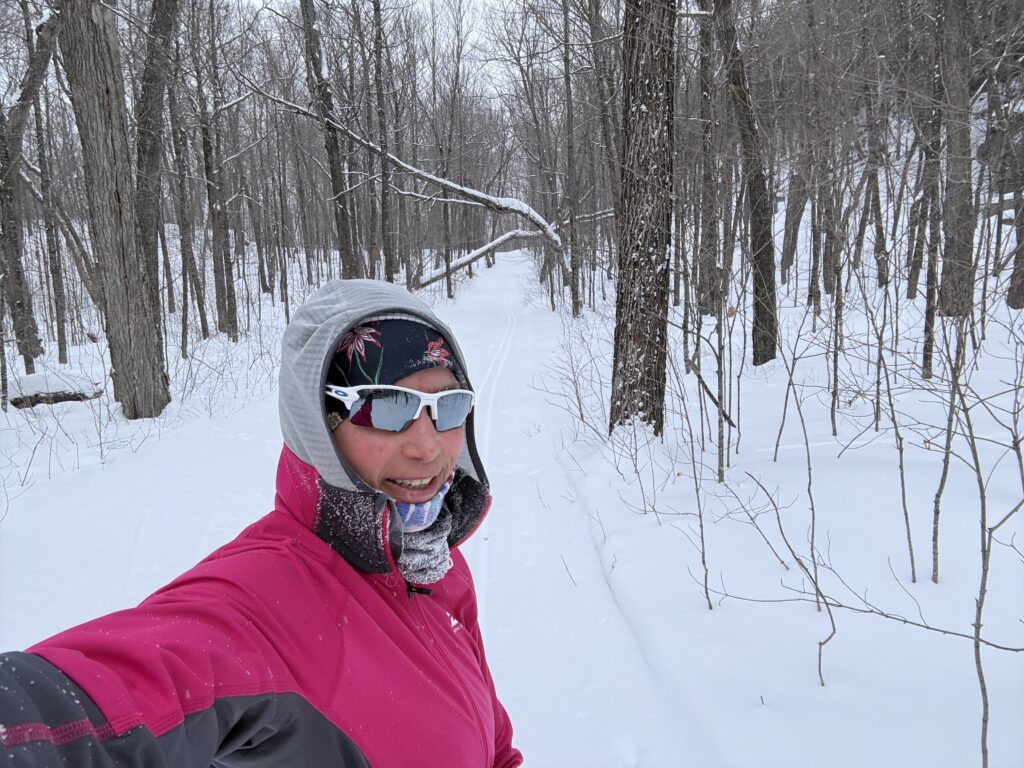
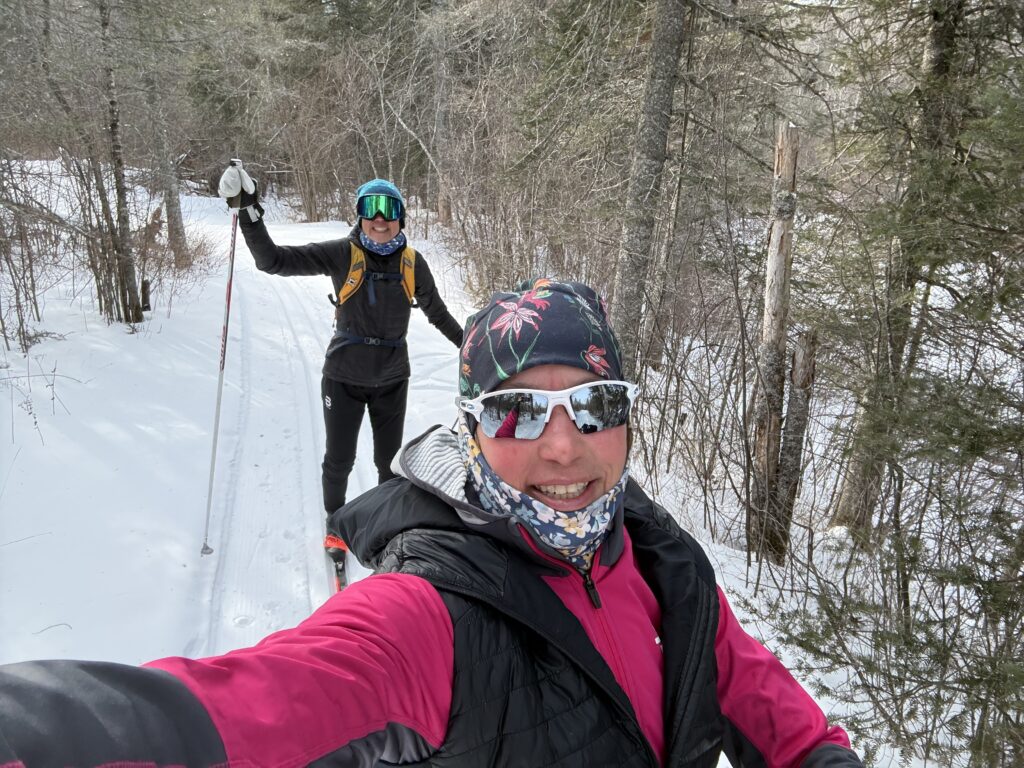
I am currently typing this article up on the North Shore, with frigid temperatures around -15 and 10mph winds! I am leading the women’s Endurance Adventures North Shore ski trip, and many of the women are pretty intimidated by the upcoming forecast!
Over the last forty years, I have trained and raced in very frigid temperatures. When I started ski racing in high school, I wore leather chopper mittens and skied on slow fish-scale skis with three-pinned bindings. Thank goodness the ski industry has developed some incredible ski clothing, mittens, and ski boots to keep us warm on those frigid days.
Many years ago, my husband and I headed up with our two young girls ( ages 5 and 8) for a week-long trip to the Bearskin Lodge near Grand Marais, MN. Even though the daily temperature did not rise past -20 degrees Fahrenheit, we still enjoyed many hours skiing on the amazing trail system. Skiing in these extreme conditions brings its own set of challenges, but with the right preparation and mindset, you can enjoy winter ski outings and stay warm at the same time. Having spent over 40 years in the sport, I’ve gained valuable insights into how to train effectively and safely in the harshest conditions.
Cold Weather Dress Attire Tips
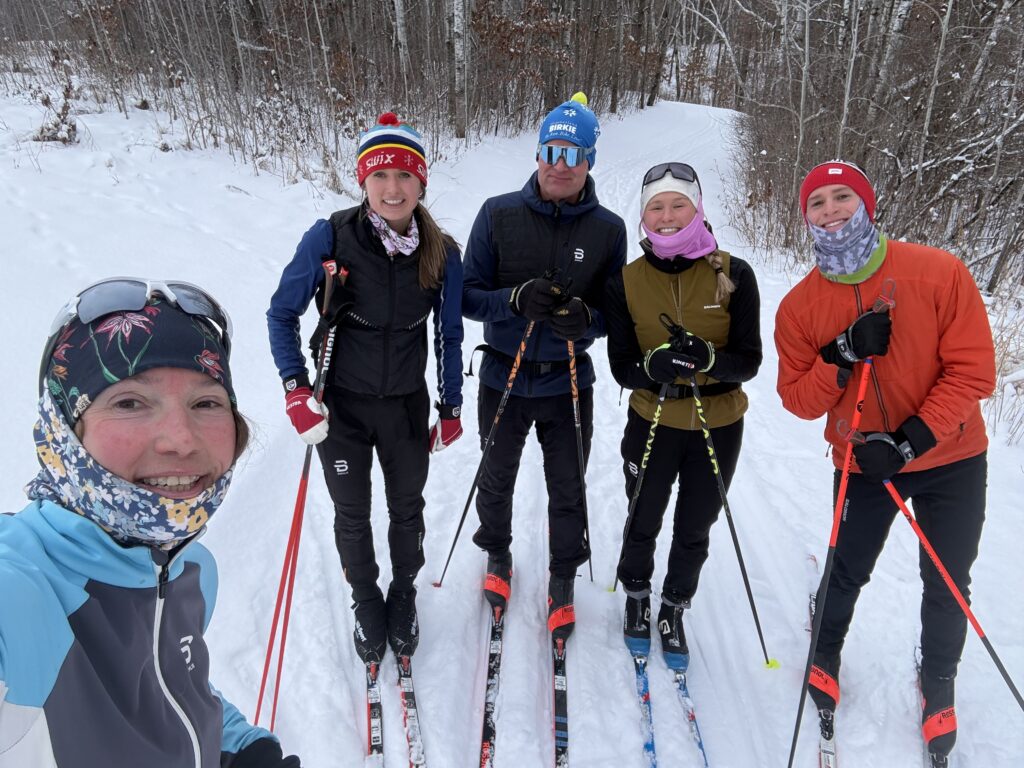
First and foremost, it’s essential to embrace the idea that there is no such thing as bad weather, only inadequate clothing. For many, the thought of skiing in freezing temperatures provokes anxiety, often fueled by forecasts predicting frigid conditions. The key is to dress appropriately for the climate. With advanced ski clothing technology at our disposal, we can stay warm while still prioritizing performance.
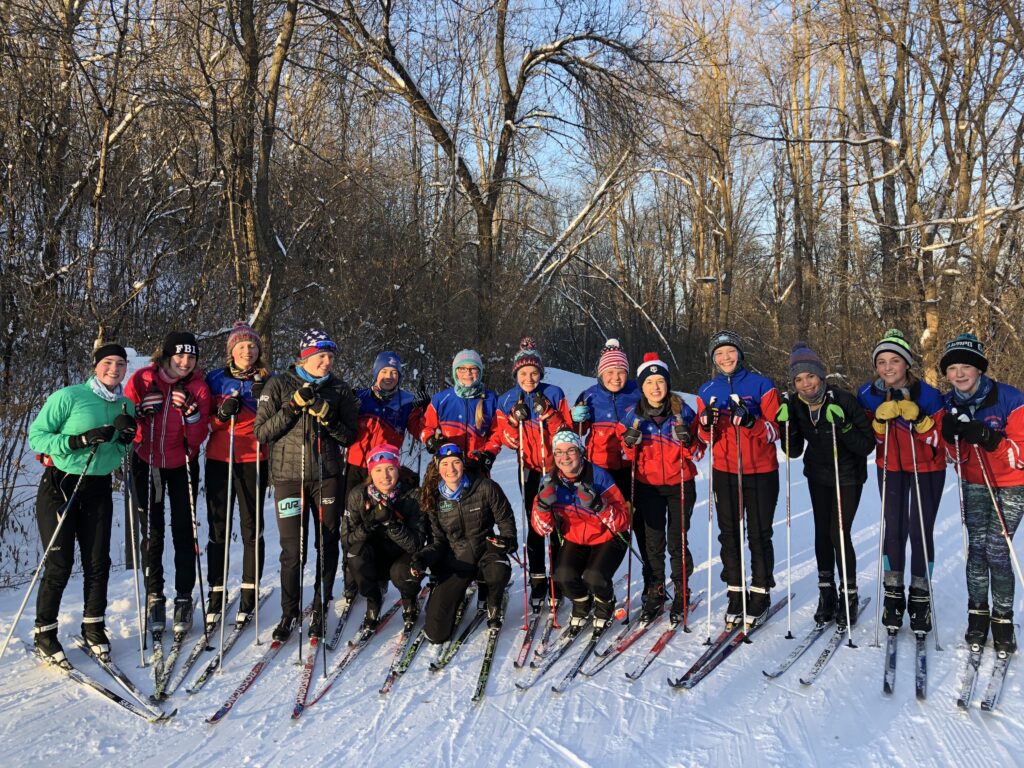
When dressing for sub-zero skiing, remember the adage: dress for warmth, not fashion. During my years coaching the Nordic ski team at Armstrong High School, we encountered a particularly cold polar vortex. On those icy days, some team members’ trend leaned toward stylish headbands, prompting me to enforce a rule requiring hats when temperatures fell below 10 degrees. Covering all exposed skin, particularly the head, is critical. A significant amount of heat loss occurs through the head, so wearing a quality hat is indispensable.
Hands and feet are other areas where warmth is crucial. I experience Raynaud’s disease, which severely limits blood flow to my extremities, making it essential for me to employ strategies to keep my feet and hands adequately warm. On sub-zero days, I rely on Lill-Sport boot covers for an extra layer of insulation. These boot covers not only keep my toes warm but also eliminate the need for disposable toe warmers, contributing positively to the environment. Staying dry is equally important, so I wear these boot covers when skiing through deeper powder to keep my feet warm and dry throughout my workouts.
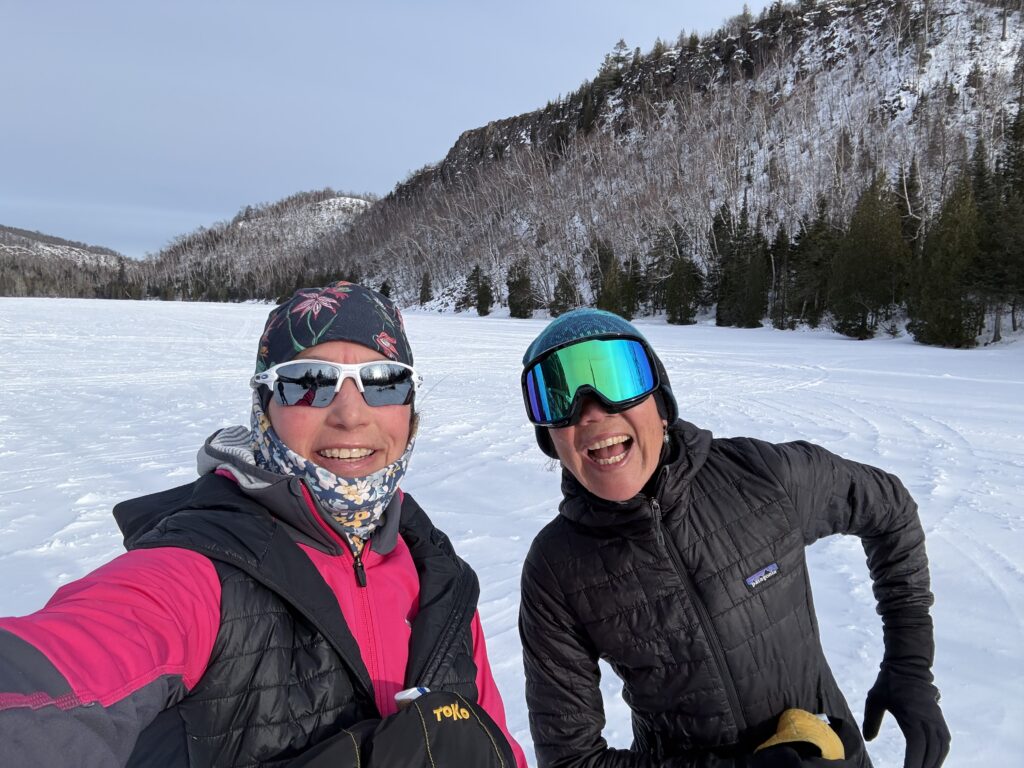
Mittens are just as vital as boot covers. This winter, I started using the Toasty Toko Thermo Mittens, which have revolutionized my skiing experience. The combination of warmth and comfort has allowed me to enjoy skiing without the constant nagging feeling of cold fingers. It’s crucial to find gear that suits your needs, investing in quality mittens or gloves that provide sufficient insulation without compromising grip or dexterity.
In extreme cold, one of my go-to strategies is the “double buff” technique. I wear one buff around my neck and head and layer another on top as a barrier against the freezing air. This double-layer adds extra warmth and protection, creating a snug shield around my face. Additionally, I often apply KT face tape on my cheekbones and nose, covering any exposed skin to prevent frostbite. I might look a bit peculiar with my face adorned in tape, but it’s a small price to pay for protecting myself from the harsh elements.
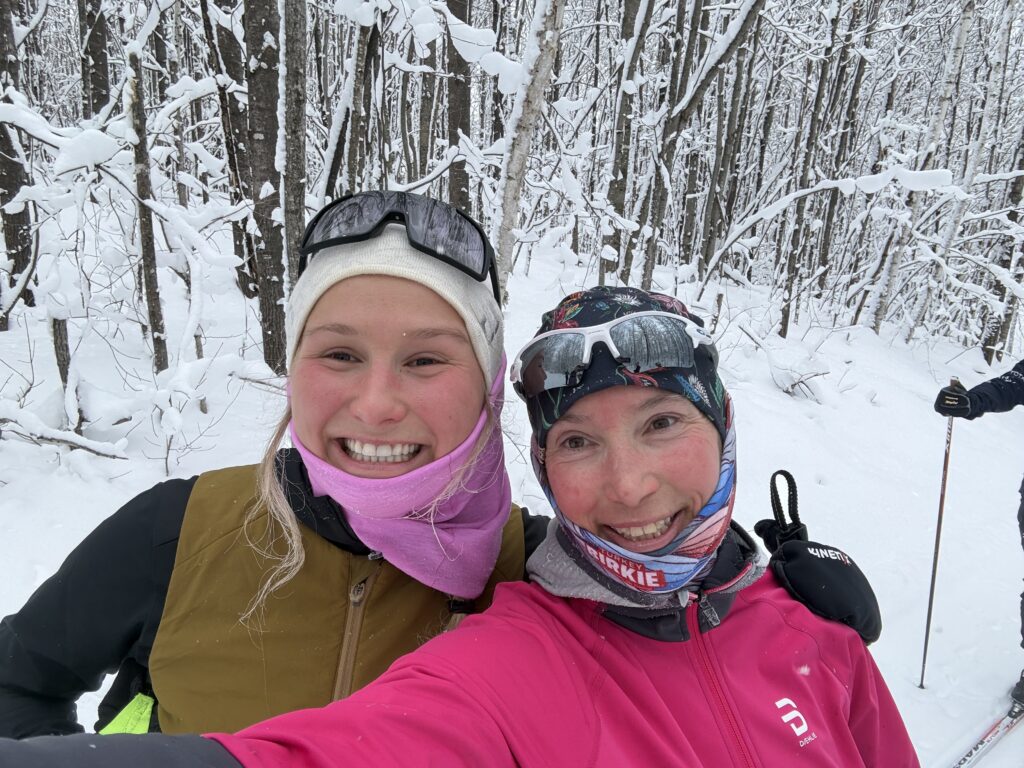
Wearing an extra windproof ski vest and wind pants has also helped keep my core warm on those cold, windy days. When it gets really cold, wearing a lightweight puffy jacket can make the ski outing quite enjoyable. The key is to layer up enough that you can shed layers when needed.
Hydration remains crucial, even in freezing temperatures. However, many athletes neglect their fluid intake because the cold reduces their thirst. To combat this, I always carry an insulated Toko water belt filled with warm water, which helps maintain body temperature and keeps me hydrated during long workouts.
Cold Weather Training and Racing Tips
Limit Your Intensity Training
While many enthusiasts thrive on intense training, sub-zero conditions can warrant a more cautious approach. The FIS limit for racing in cold weather is -4F (-20 °C), meaning the event organizers must delay or cancel the race until the temperature warms up. The danger lies in the difference between training and racing in these temperatures. Increased wind chill at race speeds and increased lung demand are what make cold-weather racing so dangerous. Despite how tough you might be, there are plenty of studies to back this up with data.
If it’s too cold to race (-4F), it’s too cold for intervals. It’s not worth the risk to the athlete’s lungs. Andy Newell with Nordic Team Solutions recommends no L4 training unless it’s warmer than 5 degrees F, and even then, we proceed with caution by limiting max intensity and shortening overall on-time for the day. If an athlete really feels the need to hit some harder L4 for peaking or sharpening, Andy recommends moving that workout indoors to a treadmill.
Ski Training Technique, Equipment, and Grind Changes
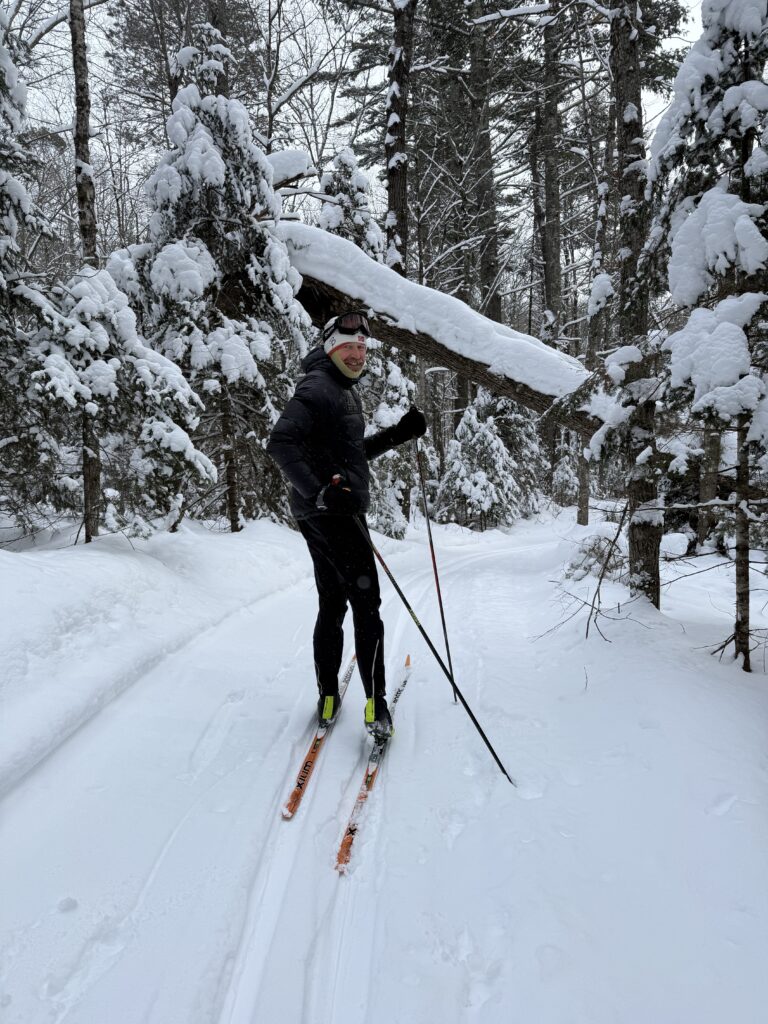
Skate Skiing in single-digit or colder temperatures can be painfully slow and much harder on the body. I suggest switching to the classic technique, which provides faster glide and a more enjoyable experience.
Skin Skis can be very slow in cold temperatures, so I recommend skiing on waxable skis if at all possible. This past week up on the North Shore with temperatures around -15, I have enjoyed skiing on my Rossignol C1 classic skis with a colder ski grind. If you have more than one pair of classic and skate race skis, I suggest getting a colder grind on one of them from your local ski shop, which can help out tremendously with ski glide performance.
Waxing for the Cold

For cold-temperature training and races, make sure to harden your ski bases with cold wax. This past weekend, I raced in the Ski De She 30 km skate event, which was forecast to be very cold. I waxed my skate skis with Toko Performance Blue glide wax and ironed in Toko Cold Powder. My skis were ripping fast!
Colder snow temperatures can be very abrasive, quickly stripping off kickwax. For classic training and races, it is important to iron in a binder on the kick zone to make your kick wax more durable. You can then apply three thin layers of a colder kickwax.
In conclusion, training in sub-zero temperatures presents its own unique challenges, but the rewards can be immense. By dressing appropriately, using effective strategies to maintain warmth, and adjusting the intensity of your workouts, you can enhance both your performance and your enjoyment of Nordic skiing.
Embrace the cold, prepare, and head out with confidence, knowing that with persistence and the right gear, you can conquer any winter obstacle in your path. Whether you’re a seasoned racer or a novice skater, the thrill of skiing in the winter wilderness will always be a gratifying pursuit, even on the coldest of days.
Kim Rudd, Endurance Adventure Owner