
Menopause and Training:
Understanding the Shift in Your Active Body
For the active woman, the journey through perimenopause and menopause can feel like navigating an unfamiliar map. The body you’ve known—tuned, strong, and predictable—begins to change. You may be experiencing baffling shifts in energy, elusive sleep, more frequent aches, and frustrating genitourinary symptoms.
If you’re feeling confused or frustrated, you are not alone. Understanding the hormonal shifts behind these changes is the first step in finding balance and continuing to feel your most vital self. The good news? Safe and effective treatment options exist to support your active lifestyle.
What Exactly Is Happening?
The root of these changes is a shift in ovarian function.
Perimenopause: The Rollercoaster Ride
• When it Starts: This transitional time before your final period can begin as early as your late 30s, but most women notice symptoms in their 40s.
• The Hallmark: Erratic hormonal fluctuations (estrogen and progesterone). This leads to intermittent, unpredictable symptoms like worsening PMS, night sweats, mood changes, and irregular bleeding. It can feel like an emotional and physical rollercoaster.
Menopause: The New Normal
• The Definition: You are in menopause 12 months after your last menstrual cycle (a definition you only know in hindsight!).
• The Symptoms: While the intense fluctuations may ease, symptoms like hot flashes, sleep disruption, joint pain, and stubborn weight gain can persist. Crucially, your risk for osteoporosis and metabolic disease also increases during this phase.
How Does All This Affect Your Training?
The hormonal shifts directly impact your ability to train, recover, and feel comfortable.
Sleep Disruption: The Recovery Killer
Decreased estrogen and progesterone disrupt the brain’s sleep regulation centers, and changes in your circadian rhythm can cause dreaded early morning awakenings (the “witching hour”).
• Impact on Training: Poor sleep leaves you tired, but it does more than just sap your energy. It increases inflammation, significantly impairs physical recovery, and is associated with weight gain and insulin resistance.
• A Hidden Risk: Sleep apnea risk also increases during this time, regardless of weight—consult a specialist if you have concerns for sleep apnea.
More Aches and Pains: The Musculoskeletal Shift
As estrogen declines, you face an increased risk for what is known as musculoskeletal syndrome of menopause.
• The Manifestation: This can lead to more frequent joint pain, loss of lean muscle mass and bone density (increasing fracture risk), more vulnerable tendons/ligaments, and slower injury recovery. An injury that once healed quickly might now sideline you for more extended periods.
Bothersome Bladder Symptoms and Vaginal Dryness
The drop in estrogen can cause symptoms known as Genitourinary Syndrome of Menopause (GSM).
• The Frustration: For active women, this often manifests as leaking urine during high-impact activities like running or irritation while cycling. When these symptoms worsen, they can become a source of embarrassment that prevents women from exercising publicly and increases the risk for recurrent bladder infections.
You Don’t Have to Suffer: Your Toolkit for Vitality
The great news is that you have powerful tools to manage these changes and continue pursuing your active life.
⚕️ Hormone Therapy (HT)
Medical hormone therapy (Estrogen, Progesterone, and sometimes Testosterone) can be a critical component of your menopause toolkit.
• Modern Understanding: Previously vilified, HT is now increasingly recognized as safe and beneficial for most women. Timing matters: starting HT within 10 years of your last menstrual period or before age 60 decreases risks. It doesn’t mean you can’t begin some form of hormone therapy after this time (vaginal estrogen is almost always safe), but you may need to have a more nuanced discussion with your health care provider.
• Your Key Step: Partner with a knowledgeable menopause provider to discuss your health risks and goals. They can determine the appropriate type and delivery method of HT to optimize its benefits for your healthy aging and longevity.
Lifestyle is Key
1. Prioritize Weight-Bearing Exercise: Strength training is crucial for protecting your long-term health. Weight-bearing activity is essential for two main reasons:
- Bone Health: It helps build and maintain bone density, directly fighting the risk of osteoporosis.
- Muscle Mass: It supports lean muscle mass, which often declines with age and hormonal shifts.
Actionable Advice:
- Aim for strength training sessions a few times per week.
- Focus on progressive overload—gradually increasing the weight or resistance you are lifting.
- Consider working with a certified personal trainer or physical therapist to reduce injury risk and ensure you perform movements efficiently for better recovery.
2. Fuel Strategically: Diet for Strength and Gut Health
Nutrition plays a non-negotiable role in recovery, energy, and hormonal balance.
| Nutritional Focus | Daily Target | Why it Matters |
| Protein | Supports lean muscle mass and recovery. Hitting this target is key to muscle protein synthesis. | Focus on colorful fruits and vegetables. |
| Fiber Healthy Fats | Incorporate 30 grams of fiber into your diet daily. Include nuts, olive oil, and avocados | Supports a healthy gut biome, decreases systemic inflammation, and aids in blood sugar regulation. Essential for hormonal health, absorbing fat-soluble vitamins, and satiety. |
| Varied Produce | Incorporate 30 grams of fiber into your diet daily. Include nuts, olive oil, and avocados. | Provides the necessary vitamins, minerals, and antioxidants to combat inflammation. |
3. Optimize Recovery: Master Your Sleep: Poor sleep is a performance killer; it increases inflammation and prevents adequate physical and mental recovery. Prioritizing rest is one of the most anti-aging things you can do.
- Practice Good Sleep Hygiene: Maintain a cool, dark, and quiet sleeping environment.
- Keep a Regular Schedule: Go to bed and wake up at roughly the same time, even on weekends, to stabilize your circadian rhythm.
- Seek Specialist Help: If persistent sleep problems occur, consult a sleep specialist or discuss whether hormone therapy could be beneficial.
4. Smart Supplementation: While a varied diet is paramount, certain supplements can help bridge nutritional gaps common during this stage:
- Vitamin D: Crucial for calcium absorption and bone health.
- Adequate Calcium: Essential mineral for bone density.
- Creatine: A highly effective supplement for supporting muscle growth and strength gains, particularly beneficial when combined with strength training.
5. Find Your Tribe: The Power of Community
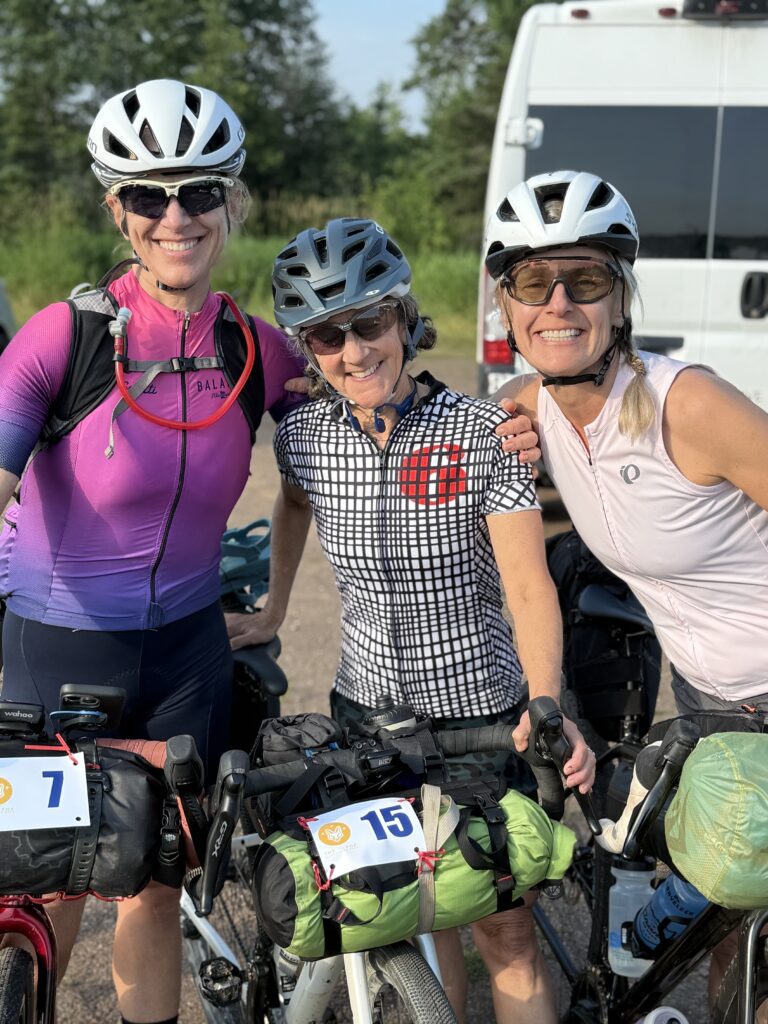
Find your community—whether it’s a running group, a gym class, or a virtual challenge—to boost your motivation and connection. Thanks to Endurance Adventures for creating such a positive, friendly environment for women to connect, train, and play.
Your Strongest Self Awaits!
Menopause presents its challenges, but it is fundamentally a time ripe with opportunity. It’s a chance to invest in your health, solidify habits that will last a lifetime, and emerge feeling stronger, wiser, and more empowered than ever before.

Christine Aas-Larson has created Vital Woman Care, a telehealth practice offering menopause support, wellness support, and chronic disease risk assessment for women. She is a Nurse Practitioner with over 20 years of experience and has been providing specialized menopause care for over 15 years. She is a 500-hour certified yoga instructor, biker, skier, and runner who loves working out with her friends.
- Check out her website at www.vitalwomancare.com
- Find her on Instagram: @vitalmenopause